Imagine you’re online and you’re reading a sentence aNd 1t sl0wly DeVoLves 1nt0 th1s unr34d4bl3 m3sS. This was the state of a lot of imageboards and forums in the early 2000’s due to the proliferation of a trend known at the time as 1337sp34k. It’s basically the replacement of certain letters with appropriate numbers and symbols. In addition the changed ending of certain words – so, words like “winner” became “W1nNRar” and “hacker” became “H4xz0rz”.
Thankfully, the leetspeak trend was quickly replaced by a less foreign type of verbal communication. ppl strted 2 type lik dis becuz they devlped a shrthand frm typng wit phones.
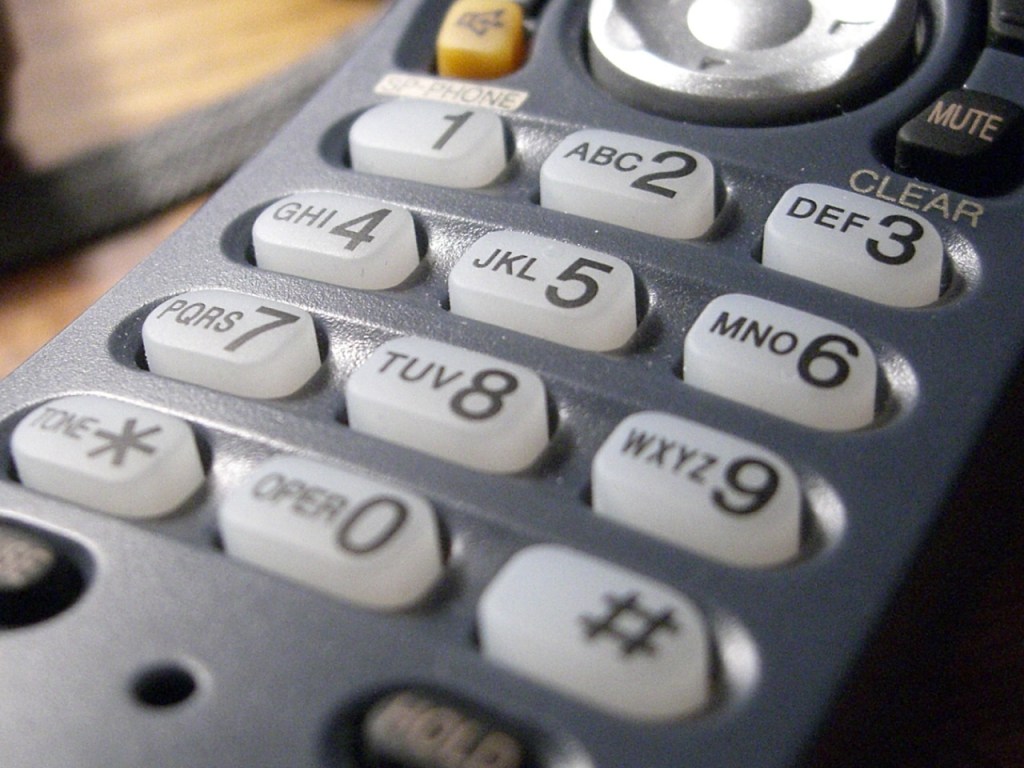
Back in the olden days, phones didn’t have keyboards on them, unless you were a rich Wall Street type with a BlackBerry. Most phones were equipped with a number pad and you were supposed to use dark wizardry in order to turn the numbers into words. As a result, most people cut out the vowels from their texting, along with using shorthand like “2” instead of “to”/”too”, or “2mrrw” instead of “tomorrow”. Users were charged per message, so they had a financial incentive to cram as much as possible in each message they sent – and boy, were they charged. When these users got online and logged into their favorite website or chat client, this habit carried over and spread like wildfire across the internet.
But, then came Steve Jobs with his iPhone and delivered us from this text message hell. Finally! We have smartphones! So, everyone has a full-sized QWERTY keyboard at their disposal. Surely this will lead us into an age of beautifully typed, grammatically correct, English language on the internet. Except, CAN I HAZ CHEEZBURGR? O RLY? YA RLY! DESU DESU DESU >implying implications costanza.jpg OK BOOMER! the meme culture of the internet sabotaged the verbal communication style of hundreds of million of impressionable teenagers and young adults – and continues its dark work to this day.

Unfortunately, meme culture took over the internet. Memes could be anything including videos, photos, and websites. Originally, this meme culture mostly existed on certain websites, imageboards, and forums, but eventually memes made their way into mainstream websites like mySpace and Facebook. Ever since, these types of in-jokes have dominated a large segment of online interactions. If you’re not familiar with the particular meme that an individual is referencing then you are unable to engage with them in discourse. And, the way these memes are referenced to is antithetical to proper English sentence structure, usually.
Nobody knows what the future will hold for verbal communication taking place on the internet. Perhaps the rise of popular Korean culture will cause people to incorporate some terminology from that country. Or, maybe the MTA will become a big hit and we’ll have slang related to subways and buses become mainstream. Either way, before it happens on television of with the people on the street, it will happen on the internet.
 Miscommunicating Communication
